
Case Study: Atlas Finance Automated Reconciliation Across 250+ Branches
We explore how Syntech transformed its operations by implementing intelligent automation, reducing processing time from days to under an hour.
Global Billing Automation Case Study | Incubeta x SmartTechNXT

See how Incubeta automated complex global billing operations, improved invoice accuracy, reduced operational friction, and unlocked over 700 hours of admin capacity per month through enterprise automation with SmartTechNXT.
RPA for Accounting

RPA for Accounting: From Manual Spreadsheets to Touchless Finance Large finance functions still spend significant time on data entry, reconciliations and repetitive checks across accounts payable, bank statements and expense claims. RPA for accounting replaces these manual steps with reliable, auditable workflows that run consistently at scale. SmartTechNXT helps finance teams reduce manual workload, improve accuracy and shorten close cycles by automating well-defined, rules-based tasks. Automations integrate with ERP and finance platforms, follow existing control frameworks and generate a clear audit trail. The focus is on measurable outcomes: faster processing, fewer exceptions and more capacity for analysis and decision support in finance, retail and property environments. Why finance teams choose RPA for accounting Finance leaders use RPA to accelerate monthly, quarterly and year-end closes while maintaining or improving control. Typical objectives include: Reducing manual touchpoints in invoice processing and accounts payable Lowering exception queues and rework caused by data entry errors Standardising application of policies such as approval limits and matching rules Simplifying audit preparation with consistent, system-generated logs Deployments often start with accounts payable and invoice processing, where structured capture and validation can remove large volumes of repetitive work. ERP integration keeps vendor, GL and cost centre data aligned, while automated logs support internal and external audit requirements. Typical workflows automated RPA bots execute defined steps, apply business rules and pass only exceptions to staff for review. Common high-value use cases include: Invoice processing automation Extract header and line-item data from PDFs and e-invoices Validate against purchase orders and receipts for 2-way or 3-way match Apply tax, coding and tolerance rules before posting to the ERP
2025’s Biggest Automation Wins
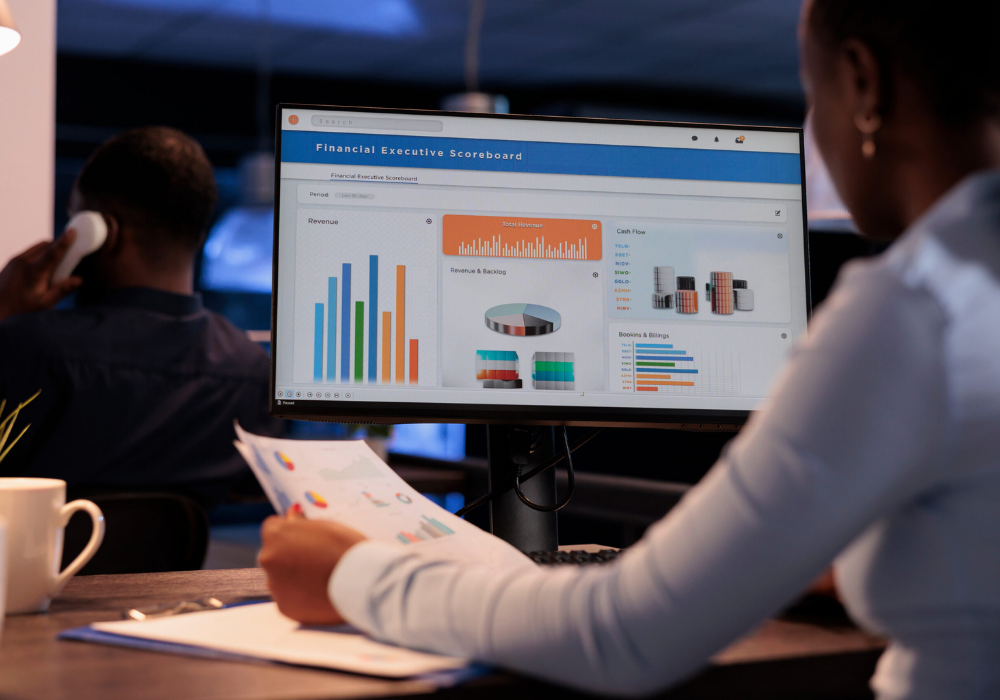
Explore 2025’s biggest automation wins. See how enterprises are leveraging RPA and AI to drive rapid efficiency and future business growth.