
AI Governance Is Becoming a Board-Level Responsibility
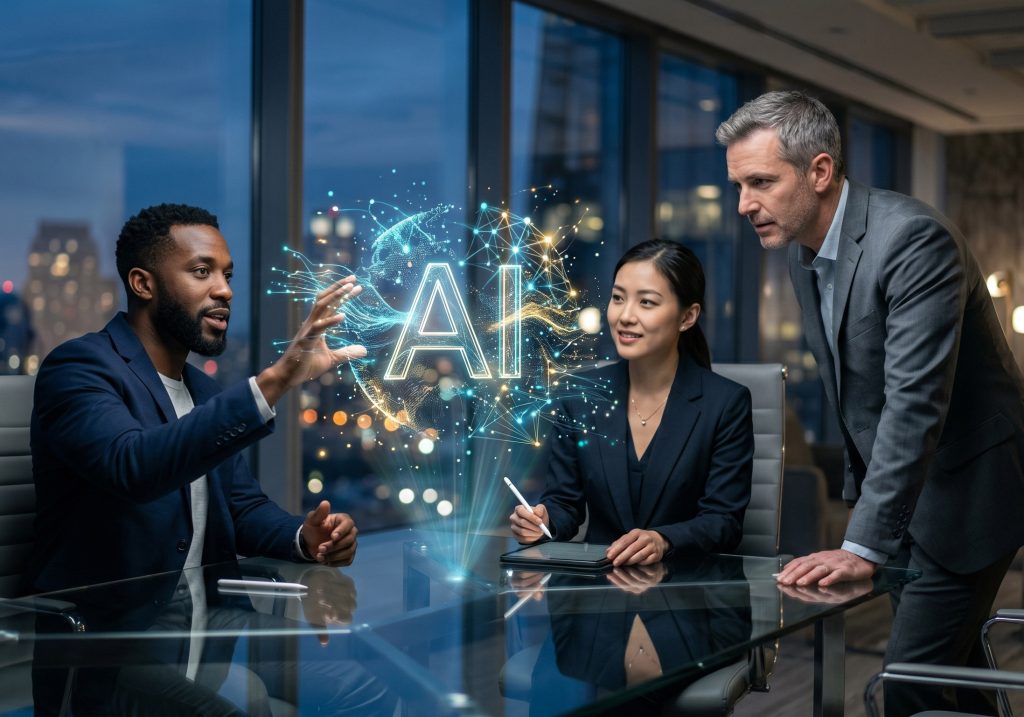
AI is reshaping the corporate world. Explore the regulatory obligations, compliance requirements, and reputational risks that demand direct board attention.
Motivating the Workforce in a New Era: AI’s Impact on Human Thinking
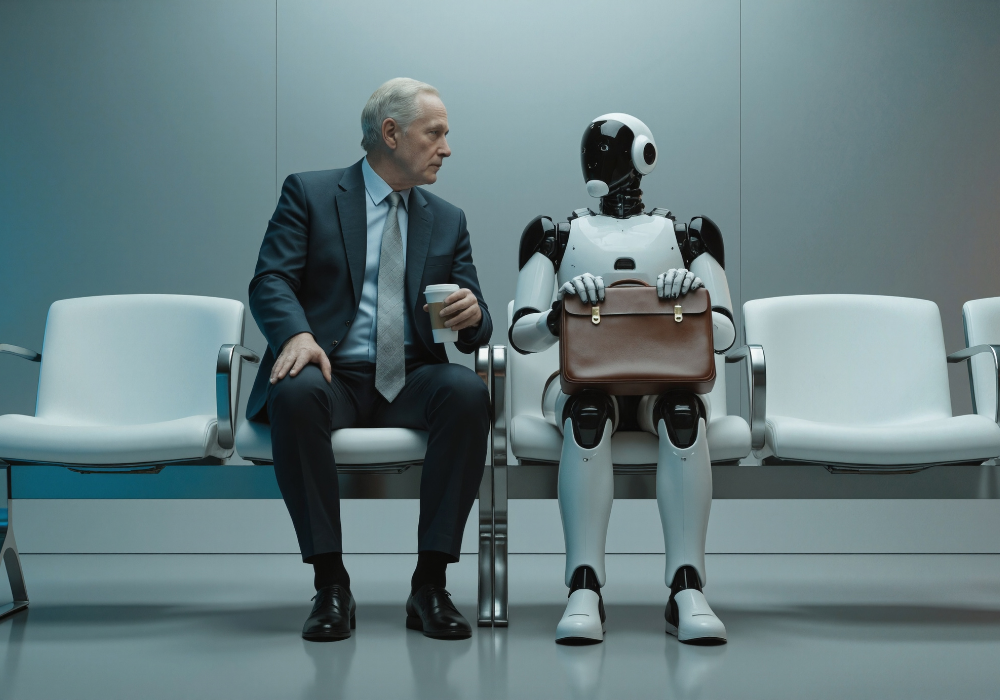
AI is already deeply engrained in the workspace: in workflows, decision-making, performance tracking, and product development. Amidst their competitors, companies have shifted to using AI to focus on the scale and speed of their outputs and gain a competitive advantage. However, as much as AI has impacted the workspace, it has also affected its workforce. For many, the introduction of AI is not experienced as a single disruptive event, but as a slow reorientation. Tasks that once demanded judgment are now suggested by models. Personal creation and work have subtly turned into prompts and validations of work generated by AI. Over time, this alters how people understand the value of their own efforts and, ultimately, their own motivation. This matters because motivation is not merely a function of compensation or culture but is deeply psychological. People stay engaged when they feel competent, autonomous, and meaningfully connected to their results. Because AI is so deeply ingrained in society, it has the power to support these conditions, but it can also undermine them when its presence diminishes the visibility of people’s efforts, the authorship of their work, or their personal growth. A worker’s psyche can have a significant impact on the type and quality of work they produce. Creating memorable and top-quality work can be difficult when a worker is distracted by feelings of boredom, insecurity, and/or demotivation. The introduction of AI into the business world has left many feeling this way. Too many fears surrounding AI and the impression it’s made have influenced the output of work and achievements. Unlike earlier waves of automation, AI operates at the cognitive level. It has the ability to not only replace physical or repetitive tasks, but also to participate in thinking itself. As a result, workers are not just adjusting their workflows; they must also rethink their professional identities. Questions can now arise, such as: What is my role when a system can generate ideas? Where does my judgement still matter? Am I building expertise, or merely supervising it? This is not a question of whether AI will replace jobs, because in many cases, it has not (for more information, see: The Human Algorithm: Automating a More Ethical Future and When Leaders Fear AI and Automation: How Myth-Making Undermines Your Chances of Success). The question is now about how AI can, and is, changing how people experience their work, how they motivate themselves, and how much of their identity and skills they can still attach to what they do. Why Motivation Is a Leadership Problem In the tech sector, motivation has often been treated as a personal trait. High performers are assumed to be intrinsically driven and are awarded as such. Naturally, the more motivation a person has for their work, the higher the quantity and quality of their results. Consequently, leaders often focus on boosting motivation and morale, not only for the individual worker but also for the entire team to achieve greater success. When motivation declines, leaders often misdiagnose the cause. They see slower innovation, risk aversion, or reduced initiative and assume it to be personal issues. However, this is not because people have lost their capacity for passion, ambition, or pride. It is often because automation is reshaping the psychological foundations of work faster than individuals and institutions can adapt to it. The central tension of the automated workplace is not productivity versus employment. The question is whether people can continue to motivate themselves when their role in value creation becomes less visible, less tactile, and less emotionally legible. Many AI tools shift engineers, analysts, and operators from creating outputs to supervising them instead. The work becomes less about problem-solving and more about validating, approving, or correcting machine-generated results. This shift in responsibilities matters because when people create results themselves, they feel more connected to their work. When they only supervise work done by systems or others, they often feel less involved and less motivated. Over time, workers may feel that their expertise is no longer essential but merely contributory. They become accountable for outcomes they did not fully author and their motivation weakens when their contribution becomes indirect. Skill Atrophy from AI One of the least discussed psychological consequences of widespread AI adoption is not job displacement, but skill displacement. As attention, trust, and responsibility shift toward focusing on intelligent systems, human competence can slowly atrophy. Skills are not static assets and require regular use, challenges, and feedback to remain sharp. When AI systems take over core cognitive tasks, such as drafting, coding suggestions, data analysis, prioritisation, or decision-making, workers may stop directly exercising those skills. While this shift can increase short-term productivity, it reduces opportunities for deep skill engagement. Over time, workers may notice that tasks they once handled confidently now feel unfamiliar without AI assistance. High reliance on AI often feels like progress when we see faster outputs and fewer errors. But this can lead to dependency on these systems. A recent MIT study found that “excessive reliance on AI-driven solutions” may contribute” to “cognitive atrophy”; this serves as a warning for our critical thinking (Kosmyna et al., 2025; Your Brain on ChatGPT: Accumulation of Cognitive Debt when Using an AI Assistant for Essay Writing Task). When teams default to AI suggestions without challenging their thinking, they miss the opportunity to test assumptions and refine their intuition. Over time, workers may hesitate to act without AI confirmation, even in areas where they once had more confidence. This creates a subtle form of learned dependence. While people remain employed and productive, their internal sense of capability narrows. And so, motivation suffers not because work is harder, but because self-trust is weaker. t elit tellus, luctus nec ullamcorper mattis, pulvinar dapibus leo. Skill Development from AI Although over-reliance on AI carries genuine risks, it would be a mistake to see the resulting skill shift as entirely negative. When appropriate conditions are met, AI can also serve as a catalyst for the development of new skills. AI is very good
The Human Algorithm: Automating a More Ethical Future
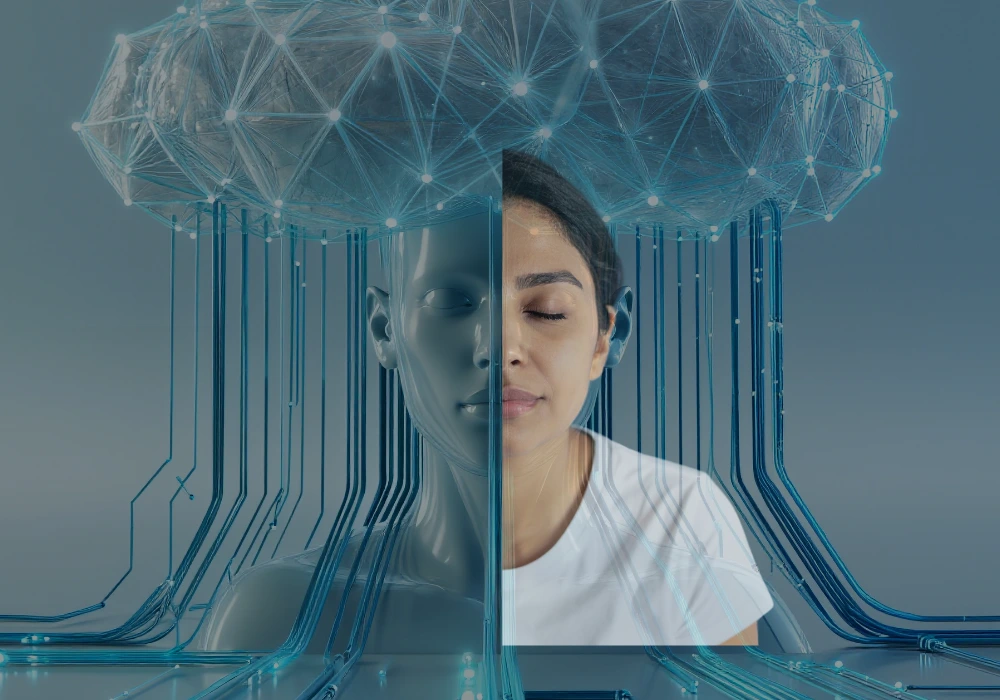
Discover how the human algorithm is shaping a more ethical future. Learn how to balance advanced AI and automation with human intelligence.